Visiting the Perigord Noir
The Perigord Noir occupies the south-east of the Dordogne. Its name comes from the dark holm-oak forests covering its limestone plateaux. It holds a rare concentration of listed villages, medieval fortresses and major prehistoric sites, all within a radius easily covered from a single base.
This guide covers the main areas to know, the order in which to approach them, and why Sarlat naturally imposes itself as a base camp.
Sarlat, the gateway
Sarlat-la-Caneda is the main town of the Perigord Noir, and its historic centre is a destination in itself. It is also the most practical place from which to organise a stay: the two major valleys, the Dordogne to the south and the Vezere to the north-west, are both reachable without crossing the whole region.
Another, less obvious advantage: it is one of the few places in the area where you can spend a whole evening without getting back in the car. Restaurants, seasonal night markets and a stroll through the lit lanes are all within walking distance.
The Dordogne valley
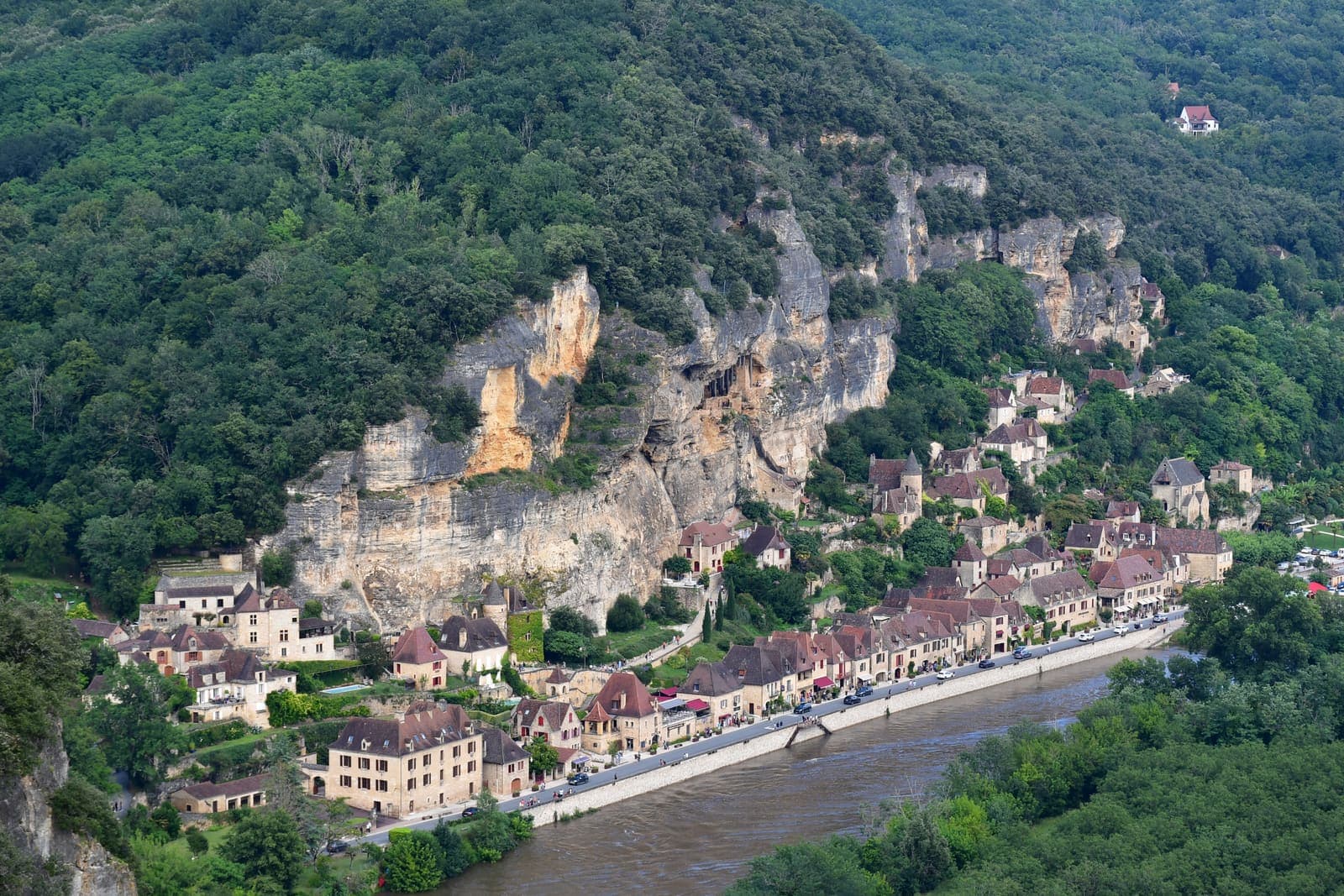
This is the landscape most associated with the region: a wide, calm river, limestone cliffs, and on the heights a string of villages and fortresses watching one another from opposite banks. Beynac and Castelnaud in particular face each other — a direct legacy of the Hundred Years' War, when the frontier ran through here.
The valley lends itself equally to cultural visits and quieter days: a canoe descent, hanging gardens, or simply a stop at a viewpoint. It is the busiest part of the Perigord Noir in summer.
Highlights of the Dordogne valley
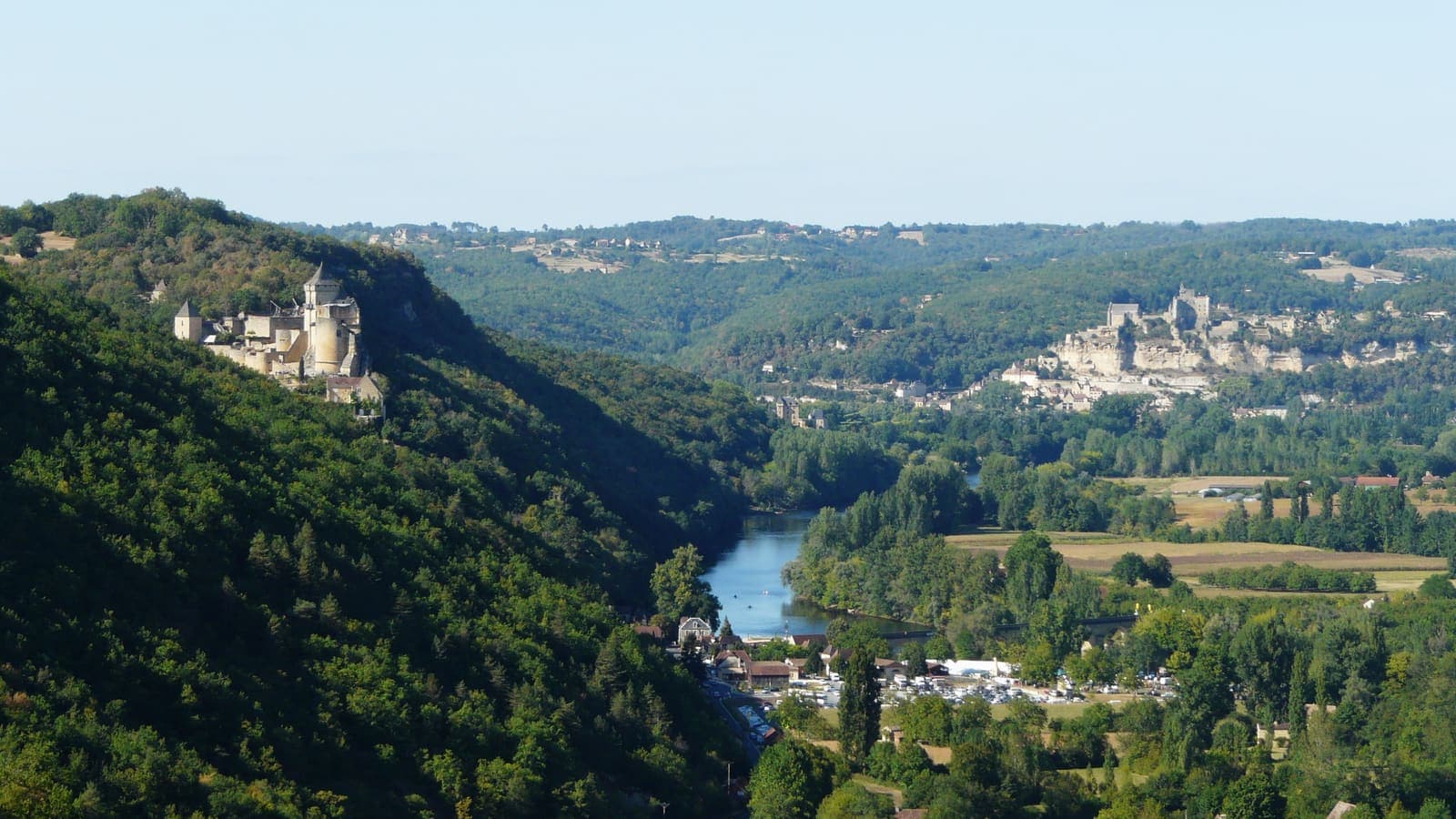
Beynac and Castelnaud castles
Medieval fortresses that once faced off against each other during the Hundred Years' War, perched high above the valley.
View on Google MapsLa Roque-Gageac
One of the most beautiful villages in France, clinging to the cliffside on the banks of the Dordogne. Explore on foot or aboard a traditional gabare boat.
View on Google Maps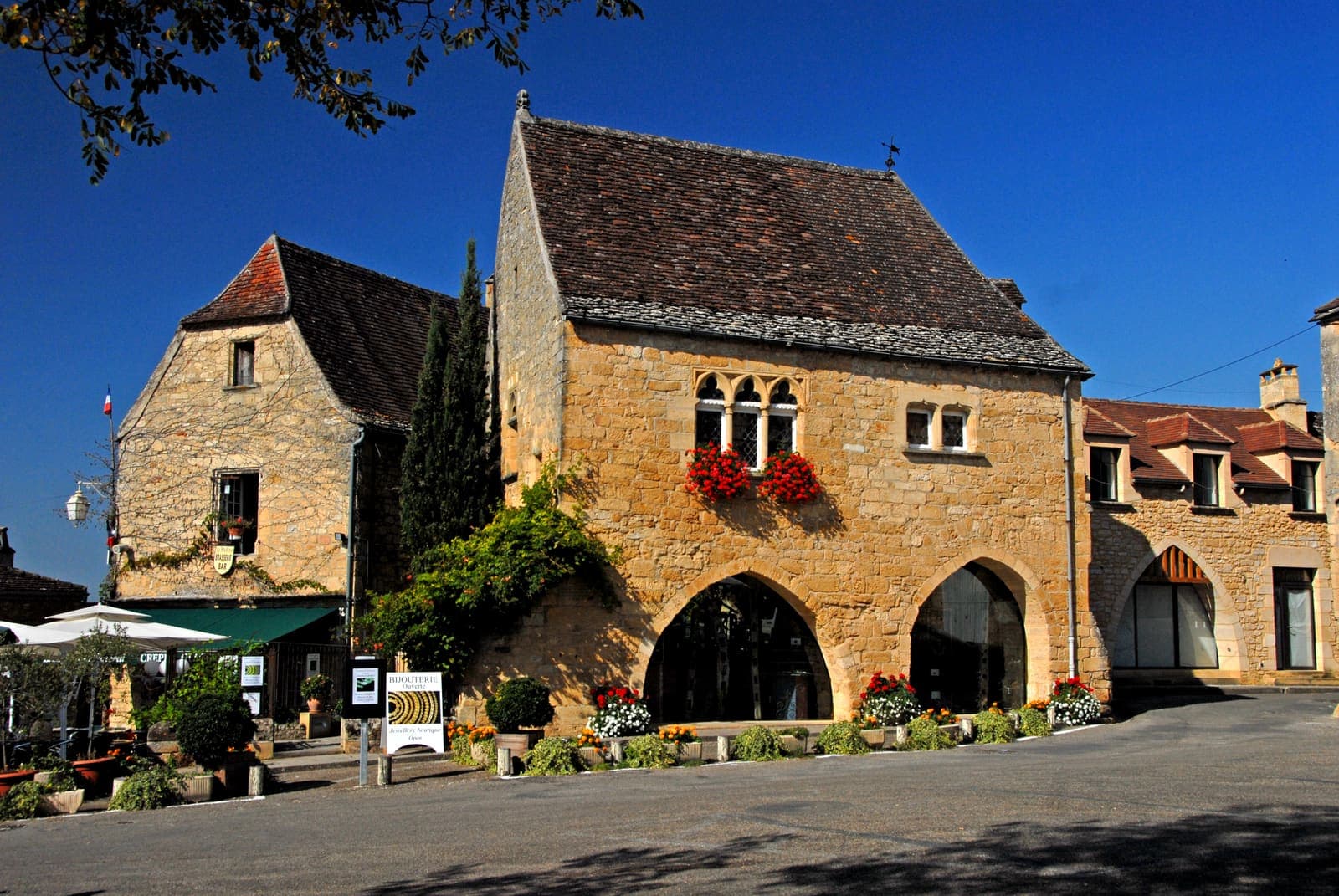
Domme, the clifftop village
Listed among the most beautiful villages in France, Domme offers one of the finest panoramas over the valley.
View on Google Maps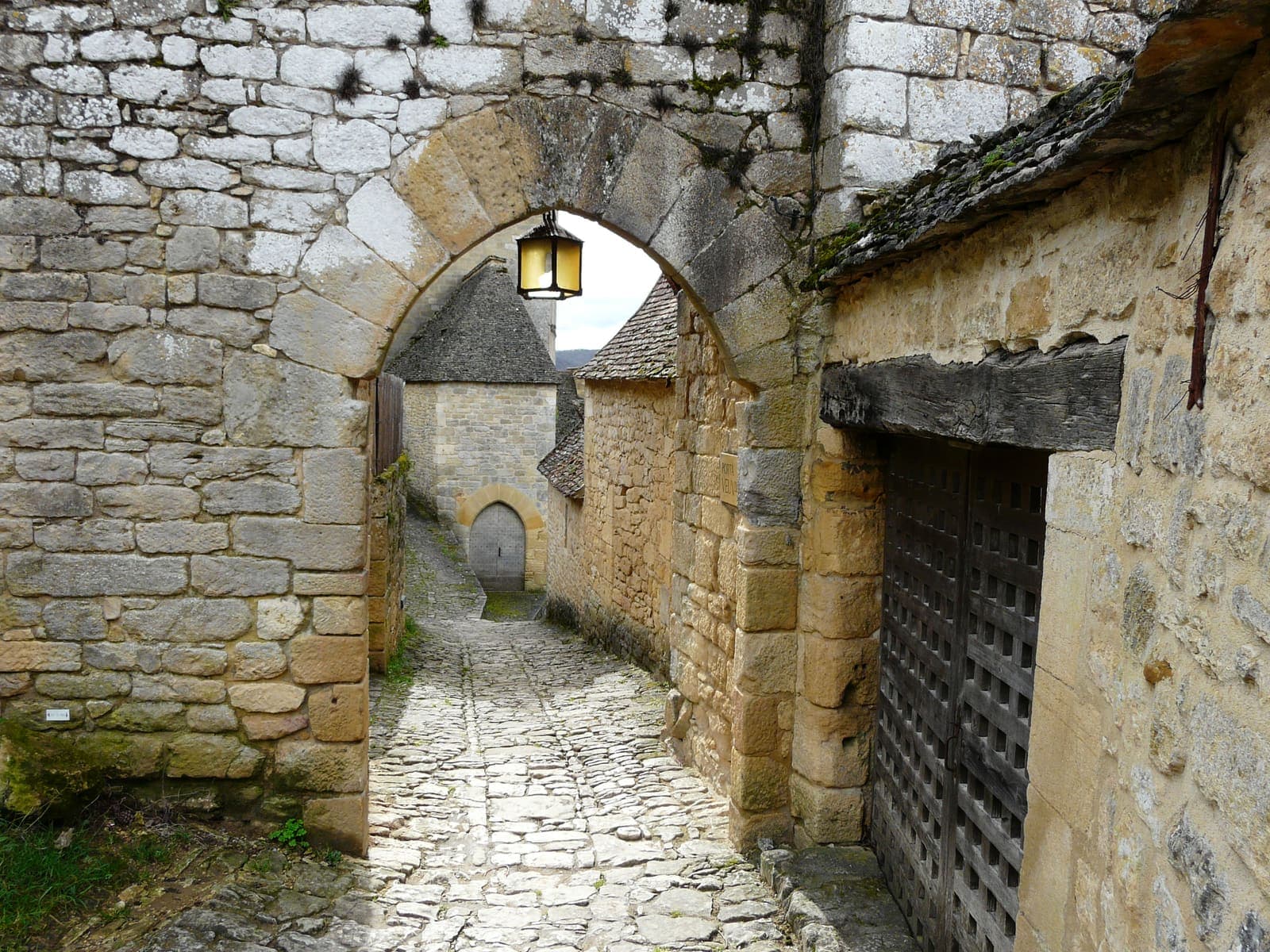
Beynac-et-Cazenac
A stone village nestled beneath its castle, with steep lanes and a small harbour on the Dordogne.
View on Google Maps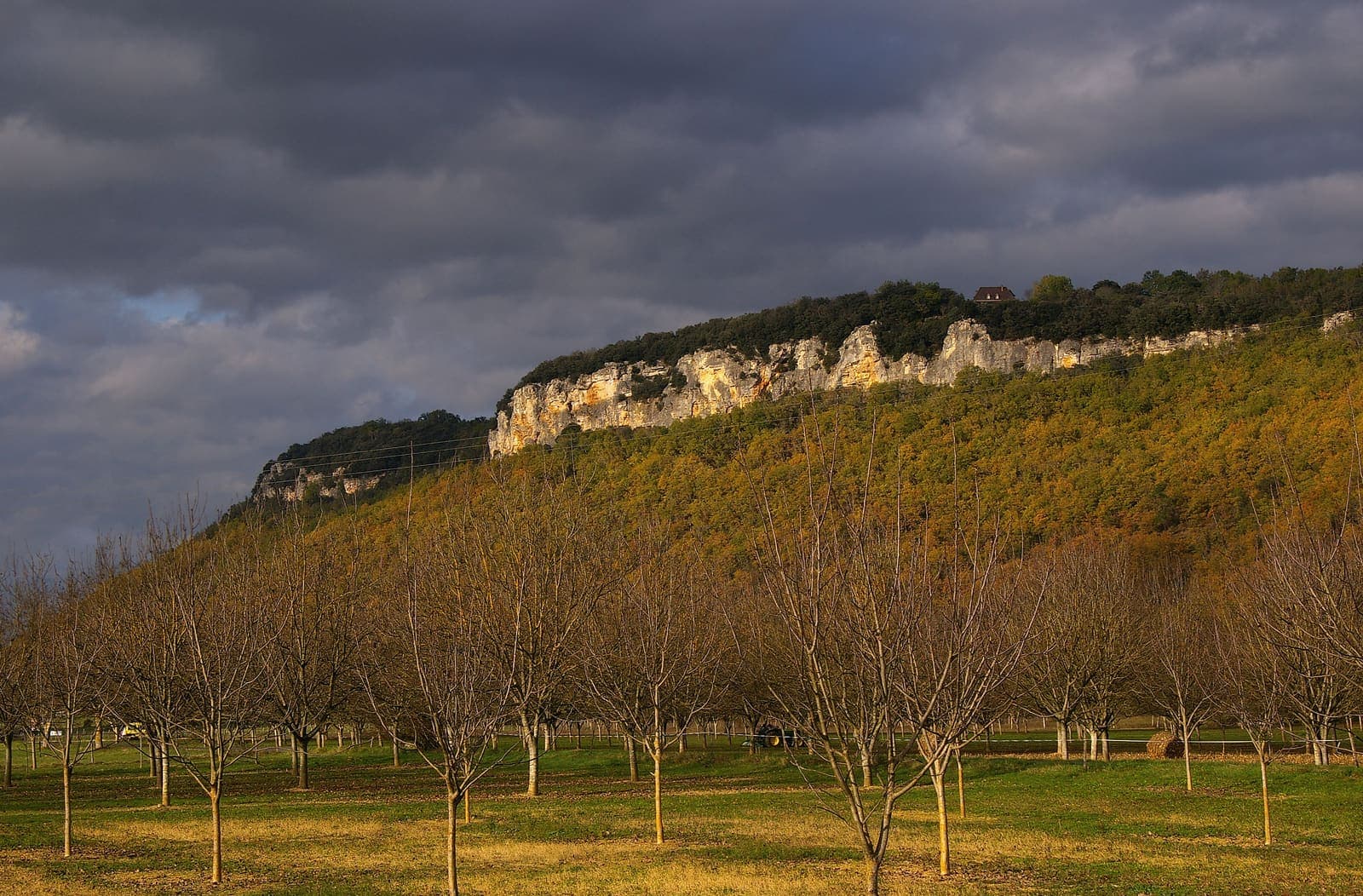
Castelnaud-la-Chapelle
A village tucked beneath its fortress, with golden stone houses and views over the Dordogne valley.
View on Google Maps
Gardens of Marqueyssac
Century-old boxwood trimmed along the clifftop and shaded paths, with one of the finest viewpoints over the valley.
View on Google Maps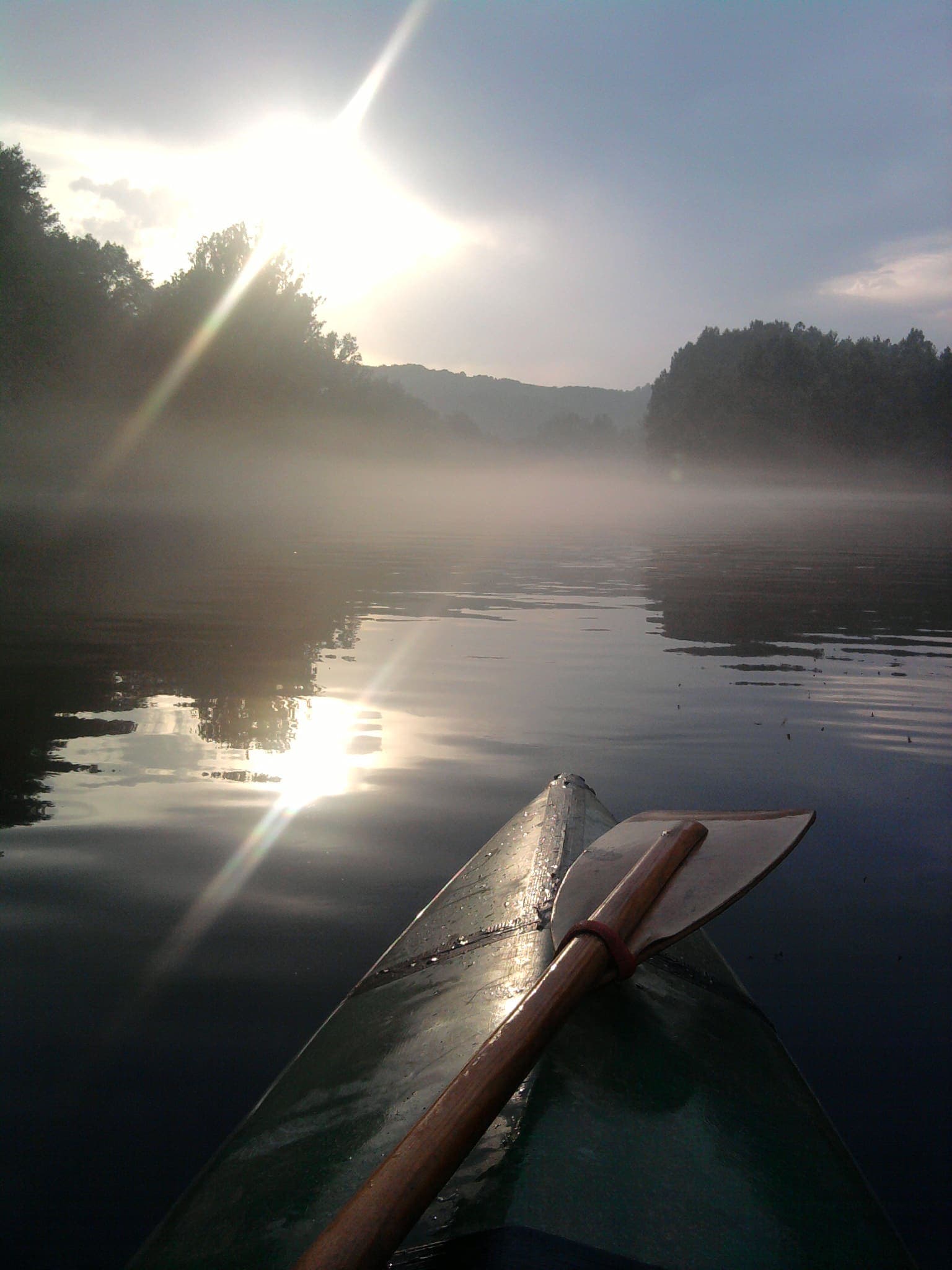
Canoeing on the Dordogne
A canoe trip between cliffs, castles and villages, one of the most beautiful ways to discover the valley.
View on Google Maps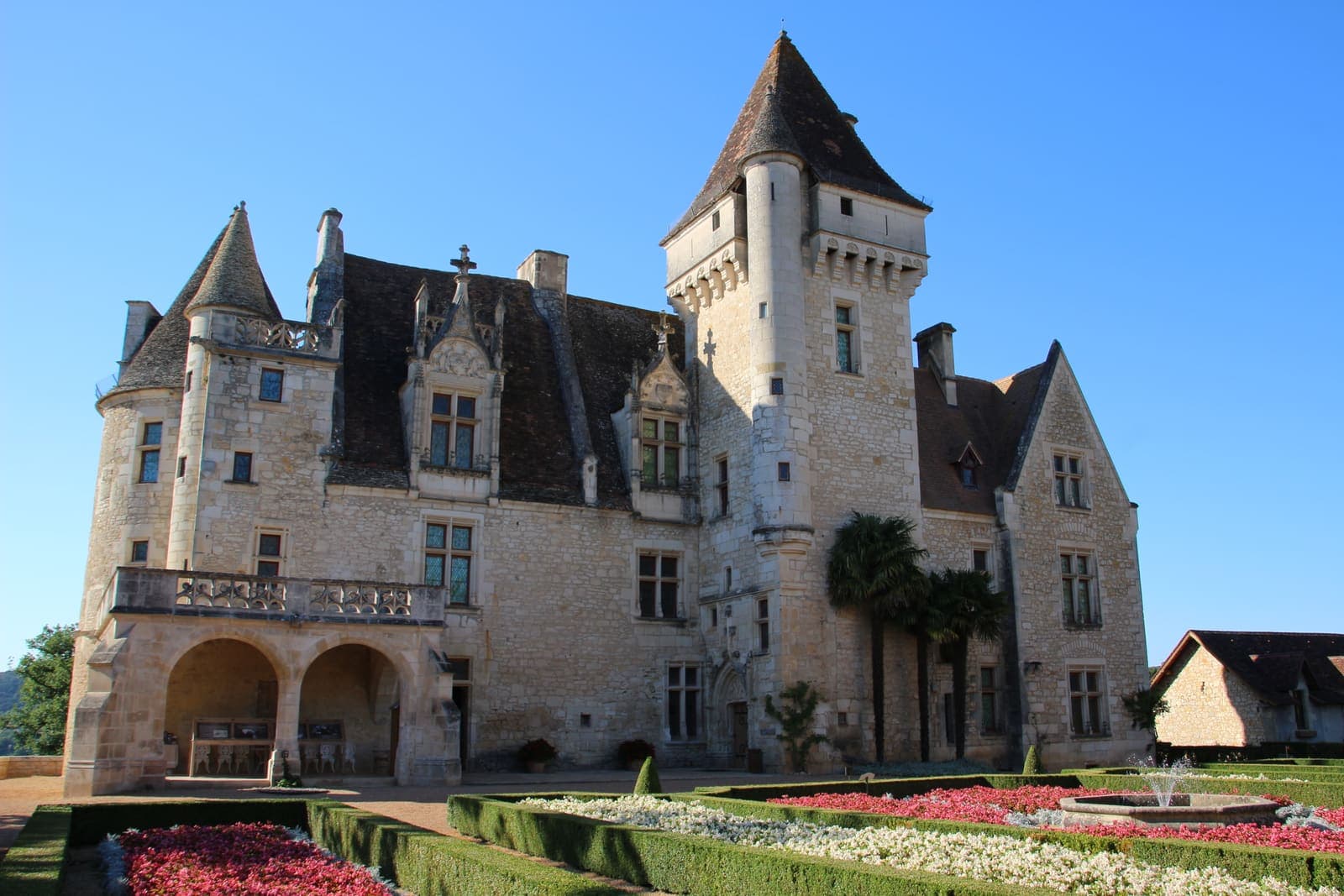
Château des Milandes
The former home of Josephine Baker, with its free-flying birds of prey shows in the Renaissance gardens.
View on Google MapsThe Vezere valley and prehistory
North-west of Sarlat, the Vezere runs through a landscape of rock shelters and cliffs riddled with caves. Some of the world's most important bodies of parietal art were uncovered here, including Lascaux, now presented to the public through a full replica designed to preserve the original cave.
The valley includes several UNESCO World Heritage sites. Visits to painted caves take place in limited groups: booking ahead is strongly advised, particularly in summer.
Highlights of the Vezere valley
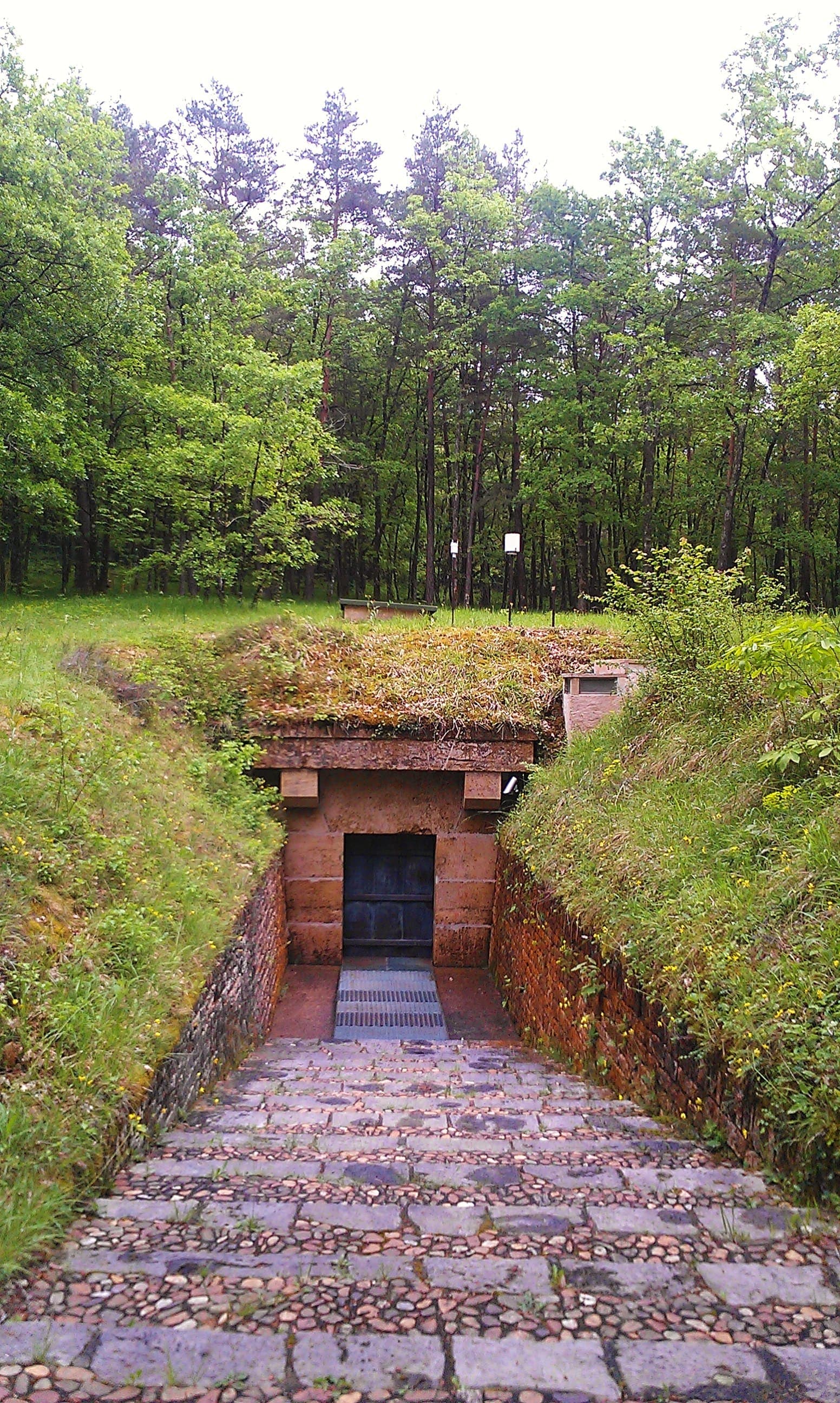
Lascaux IV
A full-scale replica of the world's most famous prehistoric cave, with paintings 17,000 years old.
View on Google Maps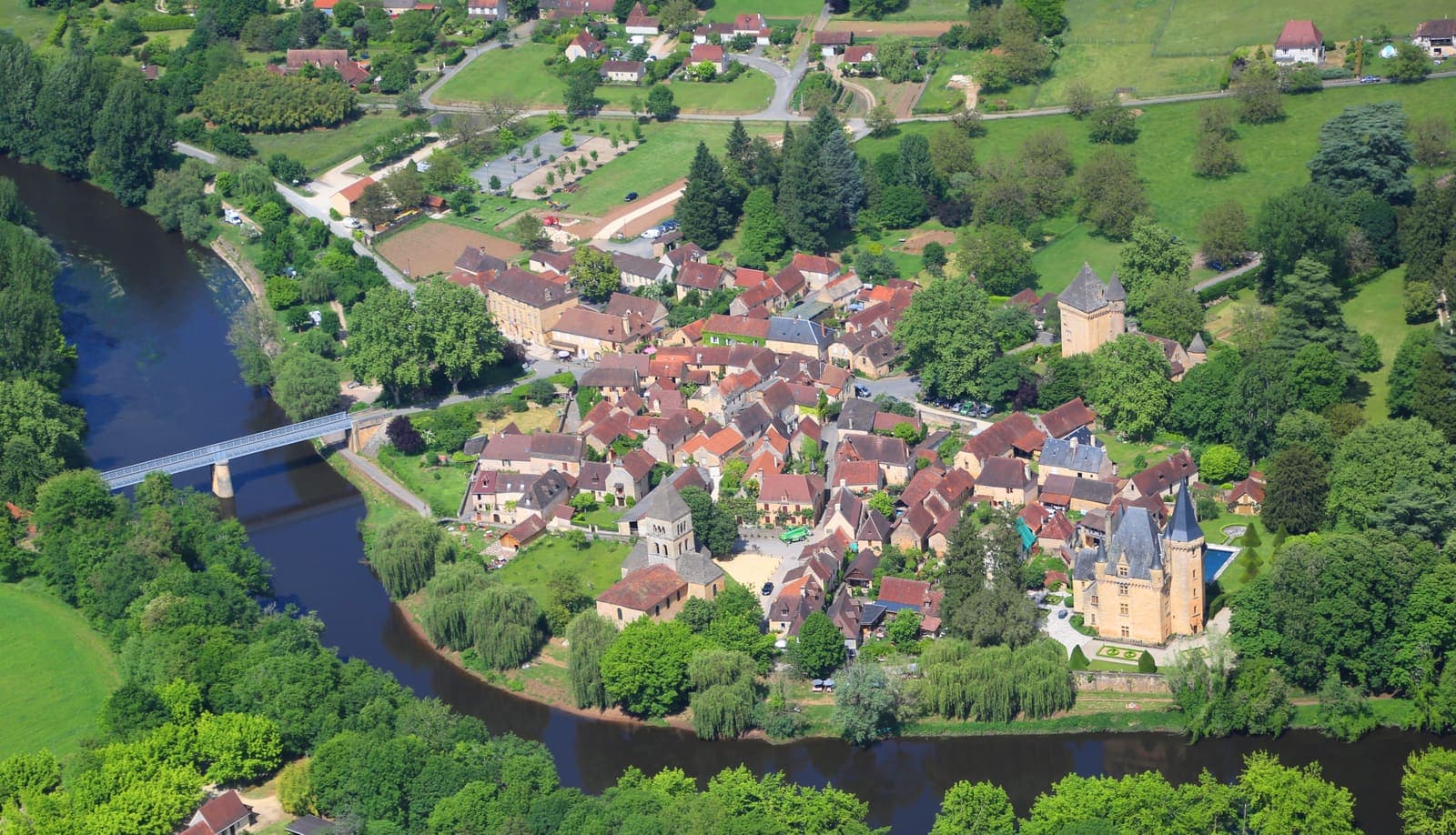
Saint-Léon-sur-Vézère
A Romanesque hamlet on the riverbank, among the most beautiful villages in France, with its 12th-century church.
View on Google Maps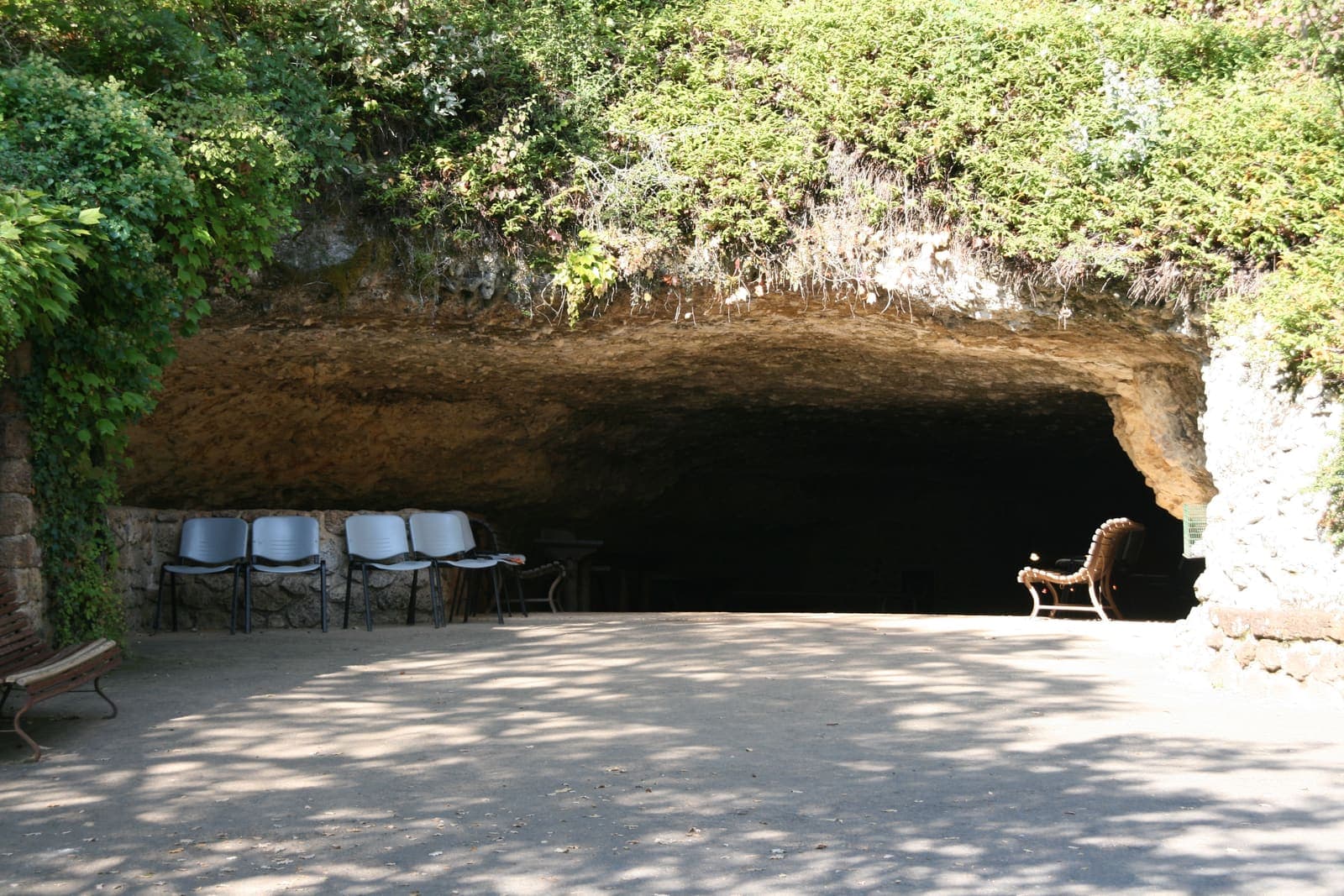
Rouffignac Cave
The "cave of the hundred mammoths," explored aboard a small electric train leading to its prehistoric artwork.
View on Google Maps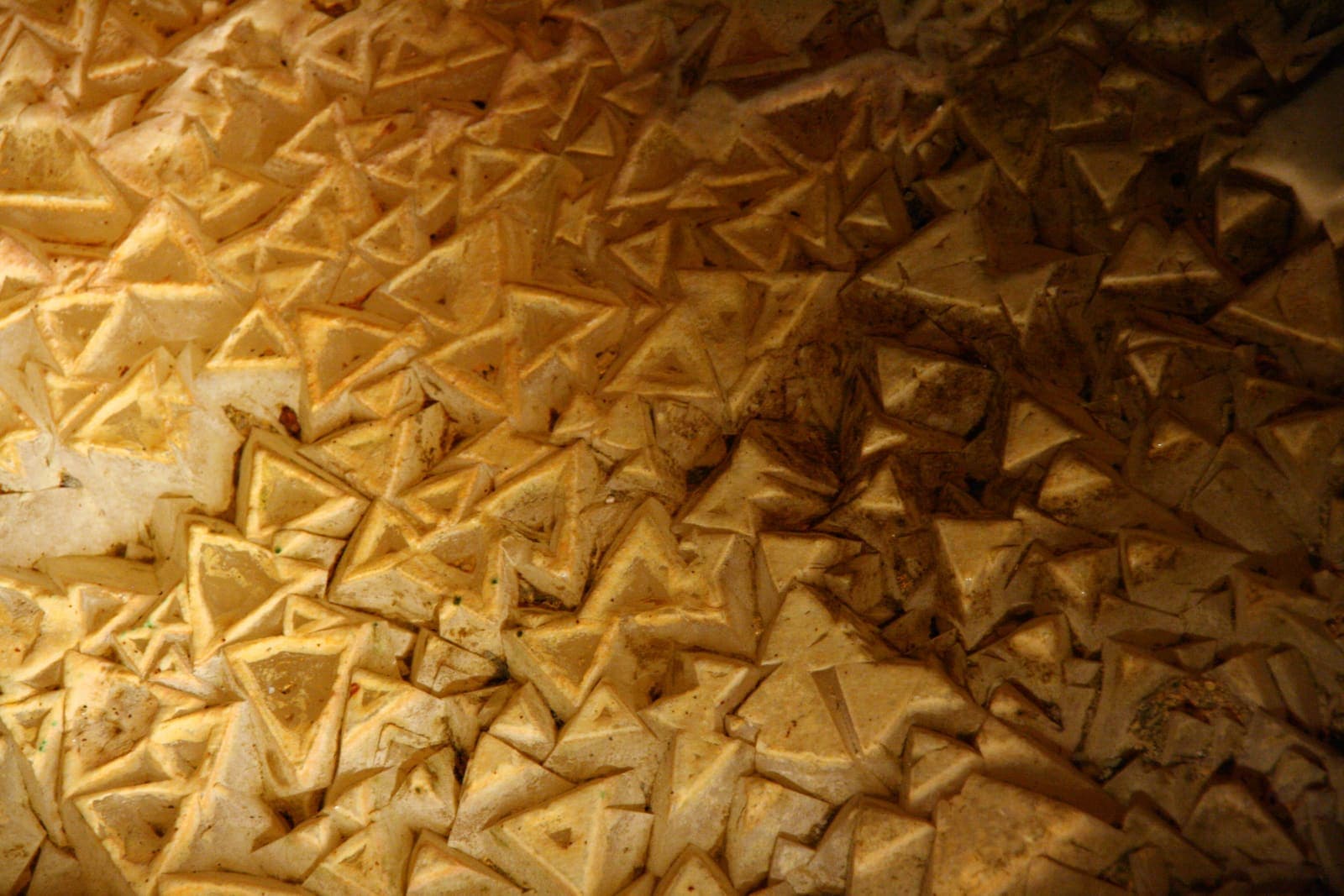
Grotte du Grand Roc
An extraordinary network of crystalline formations (eccentrics, fistulous stalactites) in the cliffs of Les Eyzies.
View on Google Maps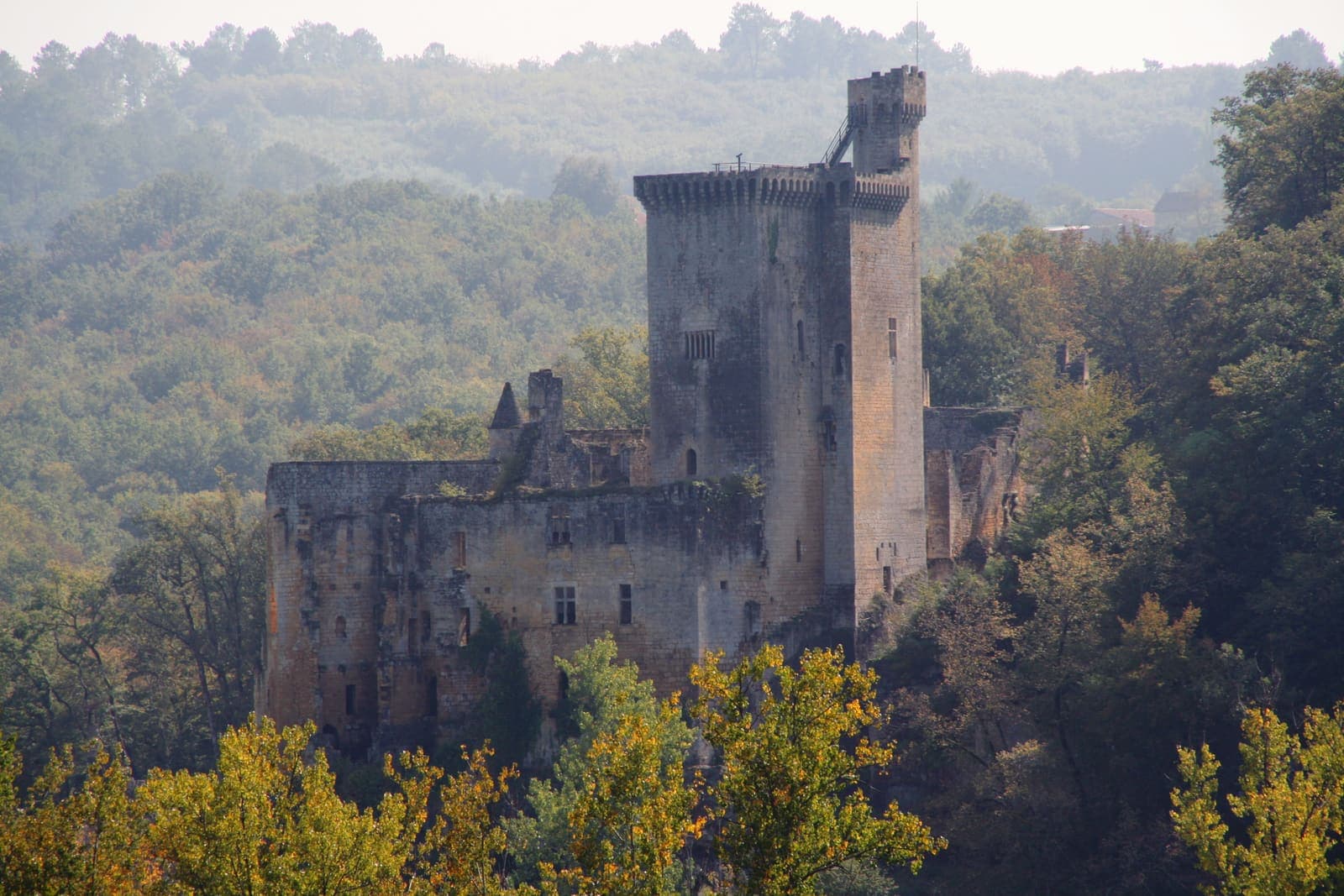
Château de Commarque
A medieval fortress under restoration, built above a troglodyte site inhabited since prehistoric times.
View on Google Maps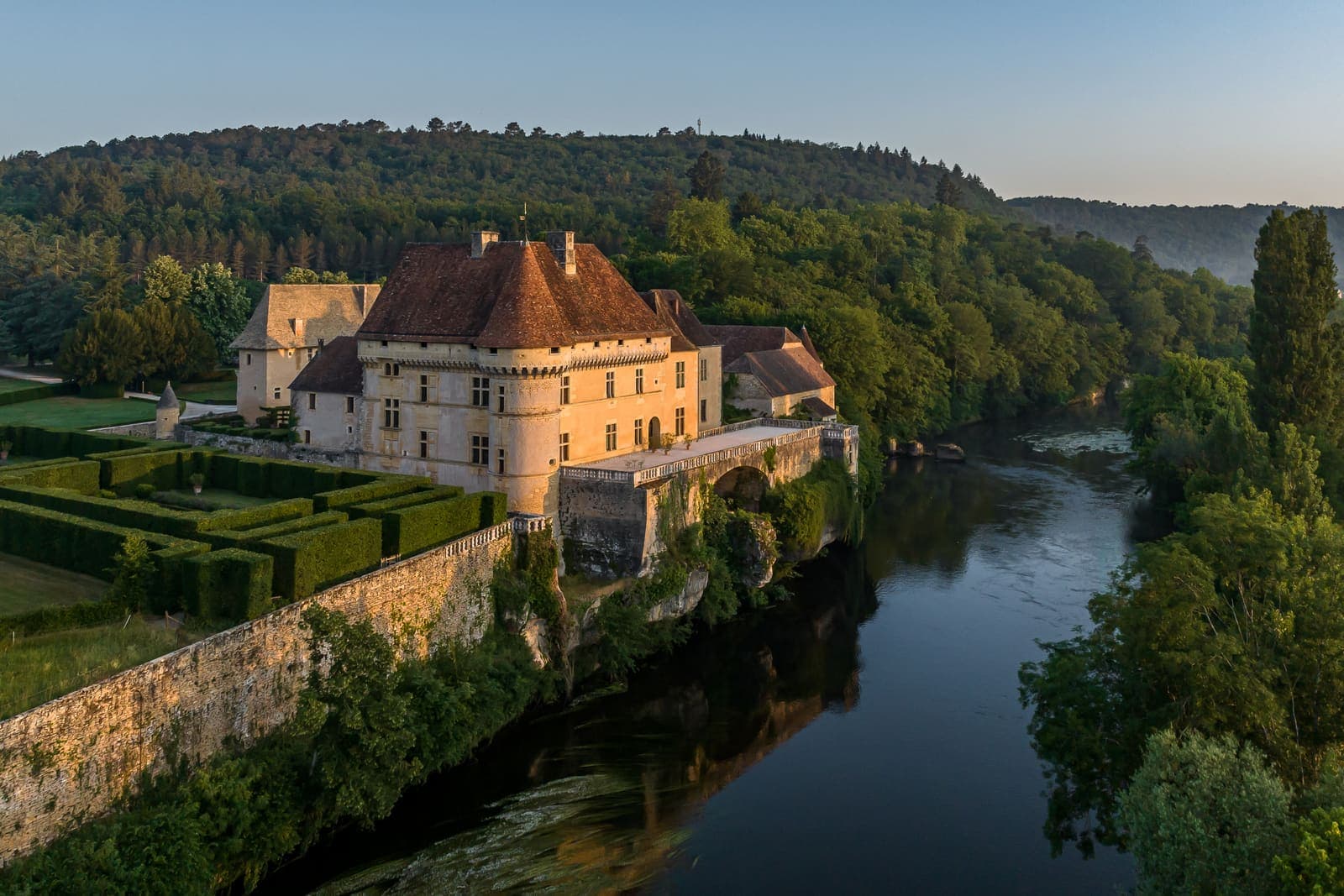
Château de Losse
A Renaissance manor set on a rocky spur above the Vézère river, surrounded by gardens listed as remarkable.
View on Google MapsLe Roc de Cazelle
A recreated troglodyte site tracing daily life from prehistoric times through to the early 20th century.
View on Google Maps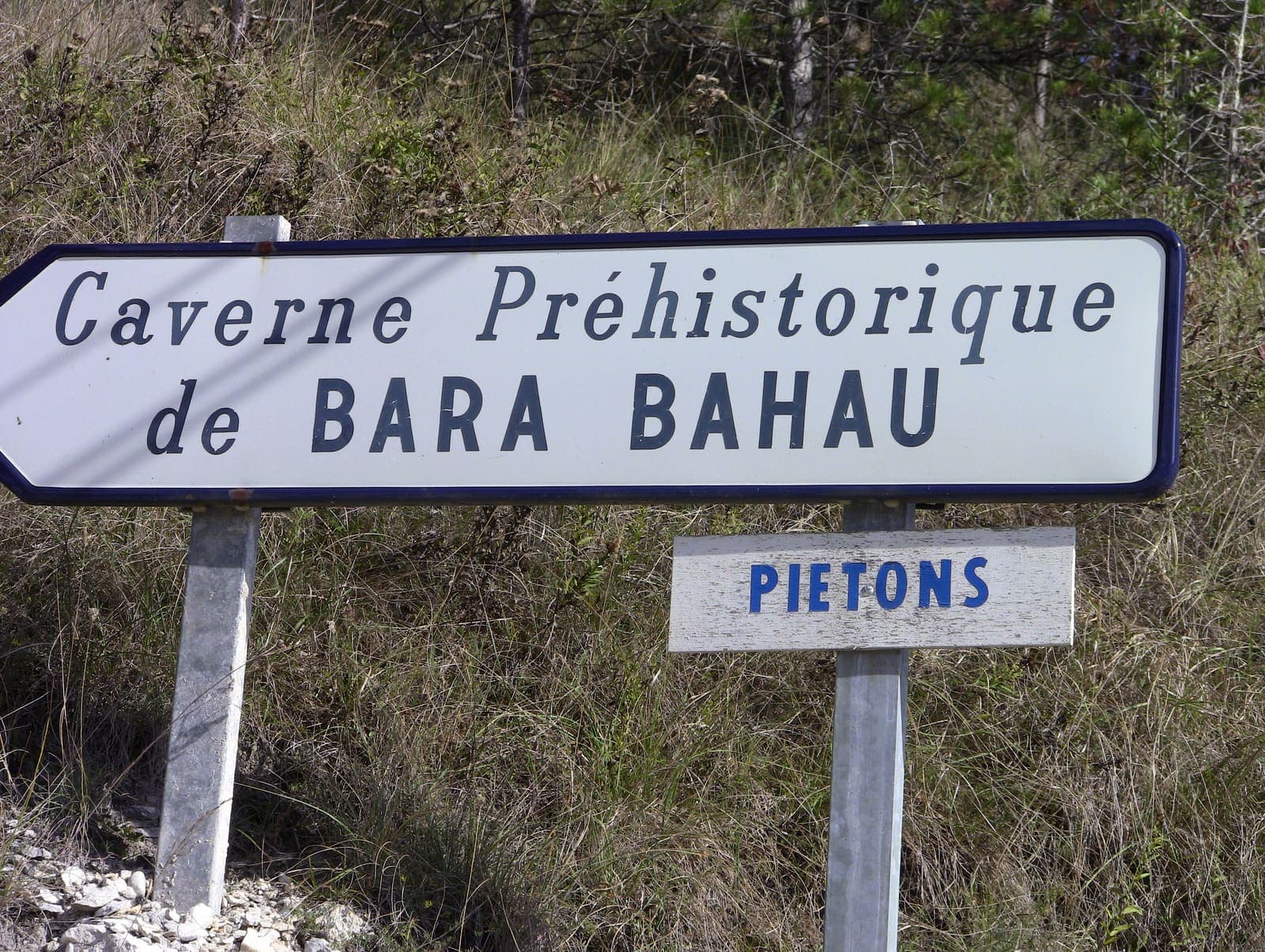
Grotte de Bara-Bahau
A short, easy-to-reach visit, with prehistoric animal engravings just steps from the entrance.
View on Google MapsThe Perigord table
Food is an integral part of the visit, and it follows the seasons.
Black truffle
Harvested in winter, it gives rise to dedicated markets across the region between December and February.
Foie gras and confits
Available year-round in markets and on restaurant menus, often produced by farms in the surrounding countryside.
Walnuts and ceps
The Perigord walnut carries a protected designation of origin. Ceps arrive in autumn and transform restaurant menus.
How much time to allow
Three days let you see Sarlat, the Dordogne valley and one major prehistoric site. Five days give you room to add the western villages, a garden or two and slower days by the river. Beyond a week, you get into the detail: village markets, footpaths, quieter sites.
Frequently asked questions
Where is the Perigord Noir?
It occupies the south-east of the Dordogne department, in Nouvelle-Aquitaine, around Sarlat-la-Caneda and the Dordogne and Vezere valleys.
When is the best time to visit the Perigord Noir?
April to October, with a clear advantage for spring and early autumn: sites are open, crowds are manageable and the landscapes are at their best.
Can you visit the Perigord Noir without a car?
Sarlat itself is entirely walkable and served by train. The sites scattered across the valleys, however, are hard to reach by anything other than car.
Read next
- Three days in the Perigord Noir from SarlatA three-day Perigord Noir itinerary from Sarlat: the old town, the Dordogne valley and its castles, then prehistory in the Vezere valley.
- Five days in the Perigord NoirA five-day Perigord Noir itinerary from Sarlat: the town, Dordogne castles, Vezere prehistory, listed villages and gardens, without changing accommodation.
- Where to stay to visit the Perigord NoirChoosing where to stay to explore the Perigord Noir: why Sarlat is the most central base, and our two town-centre studios with free parking.
- What to do around SarlatDordogne castles, perched villages, gardens, prehistoric caves and canoeing: everything to do around Sarlat, all within an hour's drive.
Content updated on