The castles around Sarlat
The density of castles in the Perigord Noir is no accident. During the Hundred Years' War, the Dordogne valley served as a shifting frontier between French and English holdings. Every promontory was fortified, often facing an opponent visible from the ramparts — which is what makes visiting them so legible today.
They are far from identical: military fortresses, Renaissance residences, romantic ruins, and castles with a more recent story. Here is how to choose.
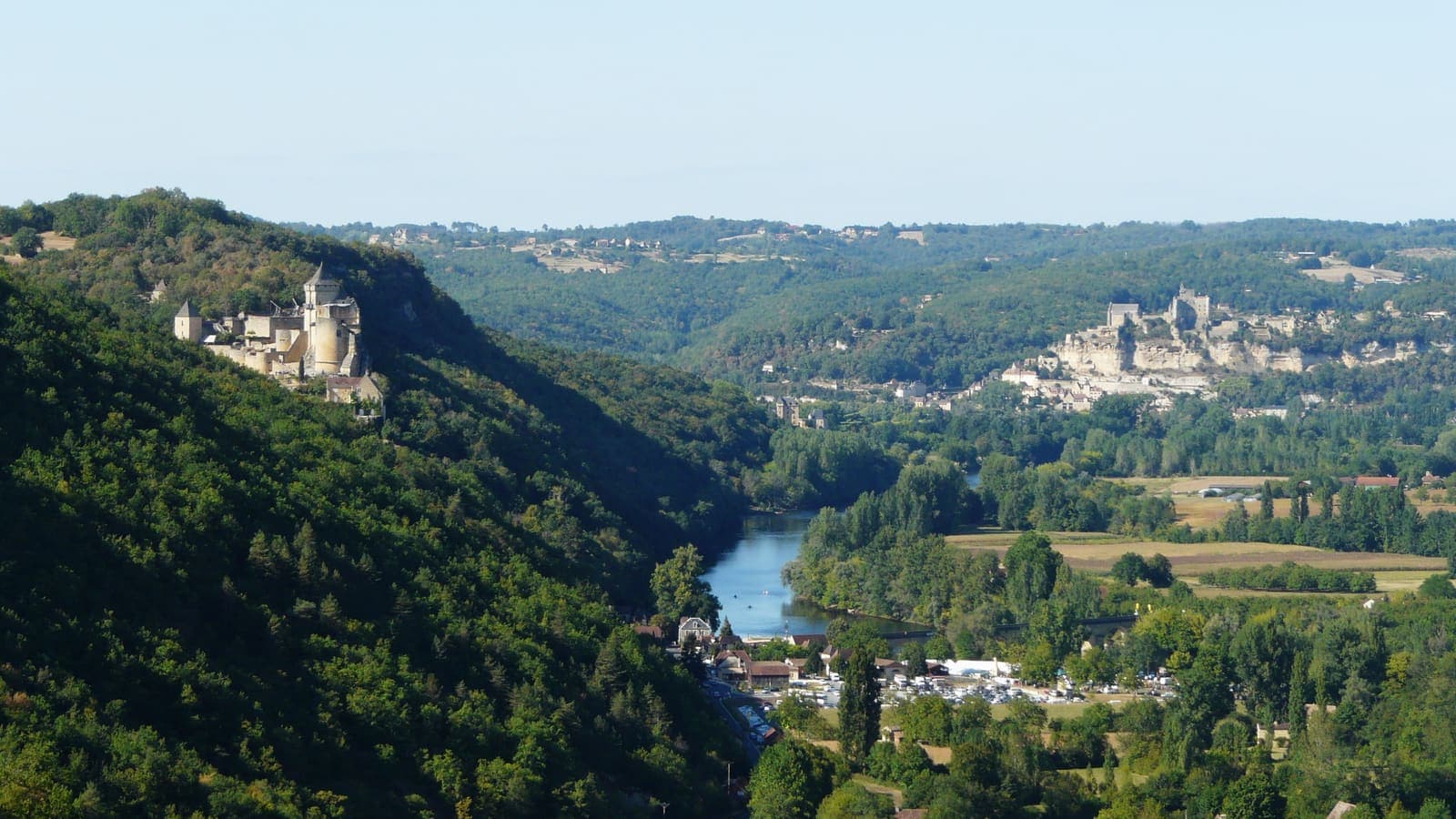
The valley fortresses
The most impressive, and the ones that best tell the story of the medieval conflict. All can be visited in the same day if you stay along the Dordogne.
Beynac and Castelnaud castles
Medieval fortresses that once faced off against each other during the Hundred Years' War, perched high above the valley.
View on Google Maps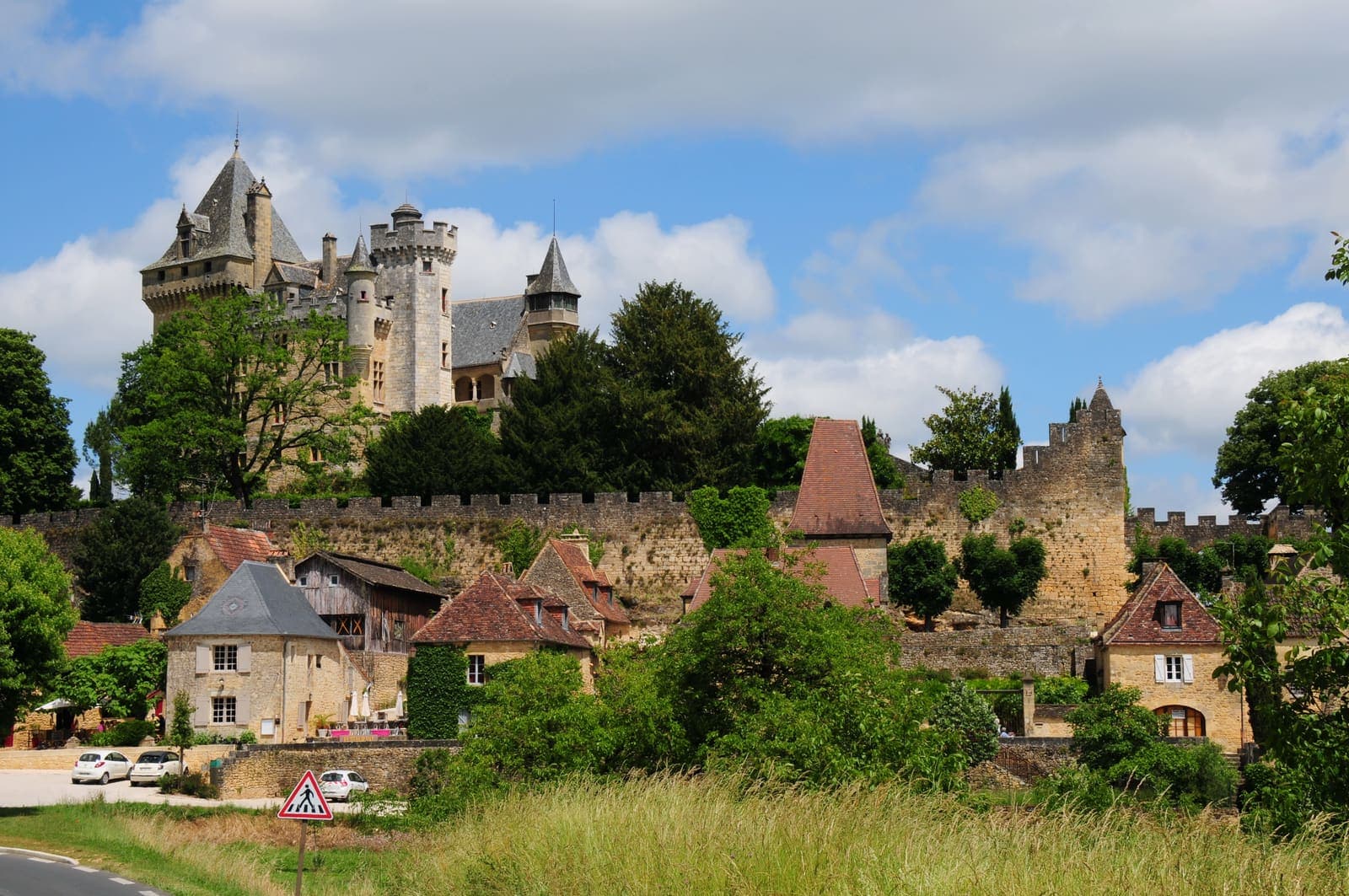
Château de Montfort
Perched on a rocky spur at one of the Dordogne's most beautiful river bends, with a spectacular view over the valley.
View on Google Maps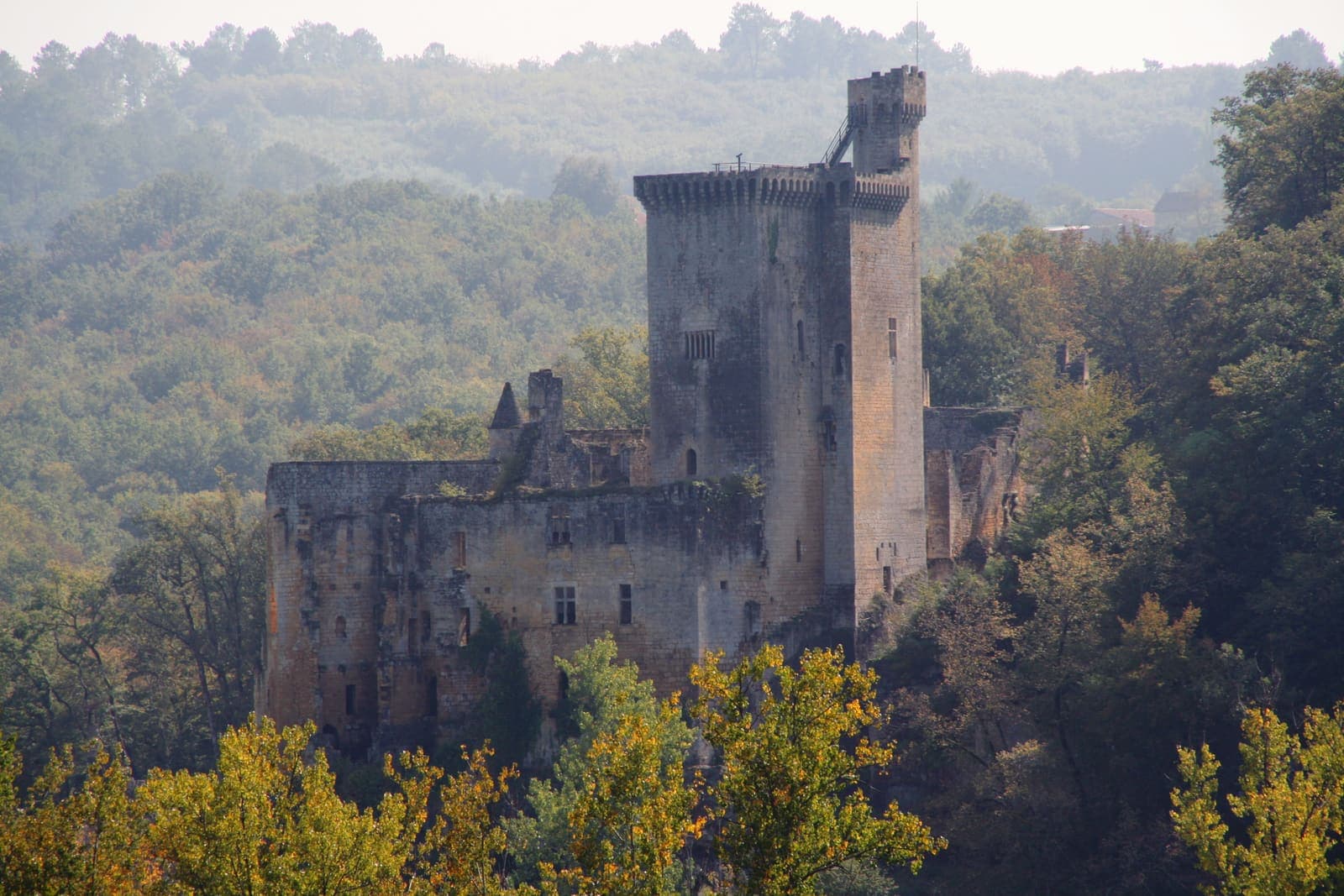
Château de Commarque
A medieval fortress under restoration, built above a troglodyte site inhabited since prehistoric times.
View on Google MapsResidences and lived-in castles
Less defensive, more about the art of living, with furnishings, gardens and sometimes a 20th-century story.
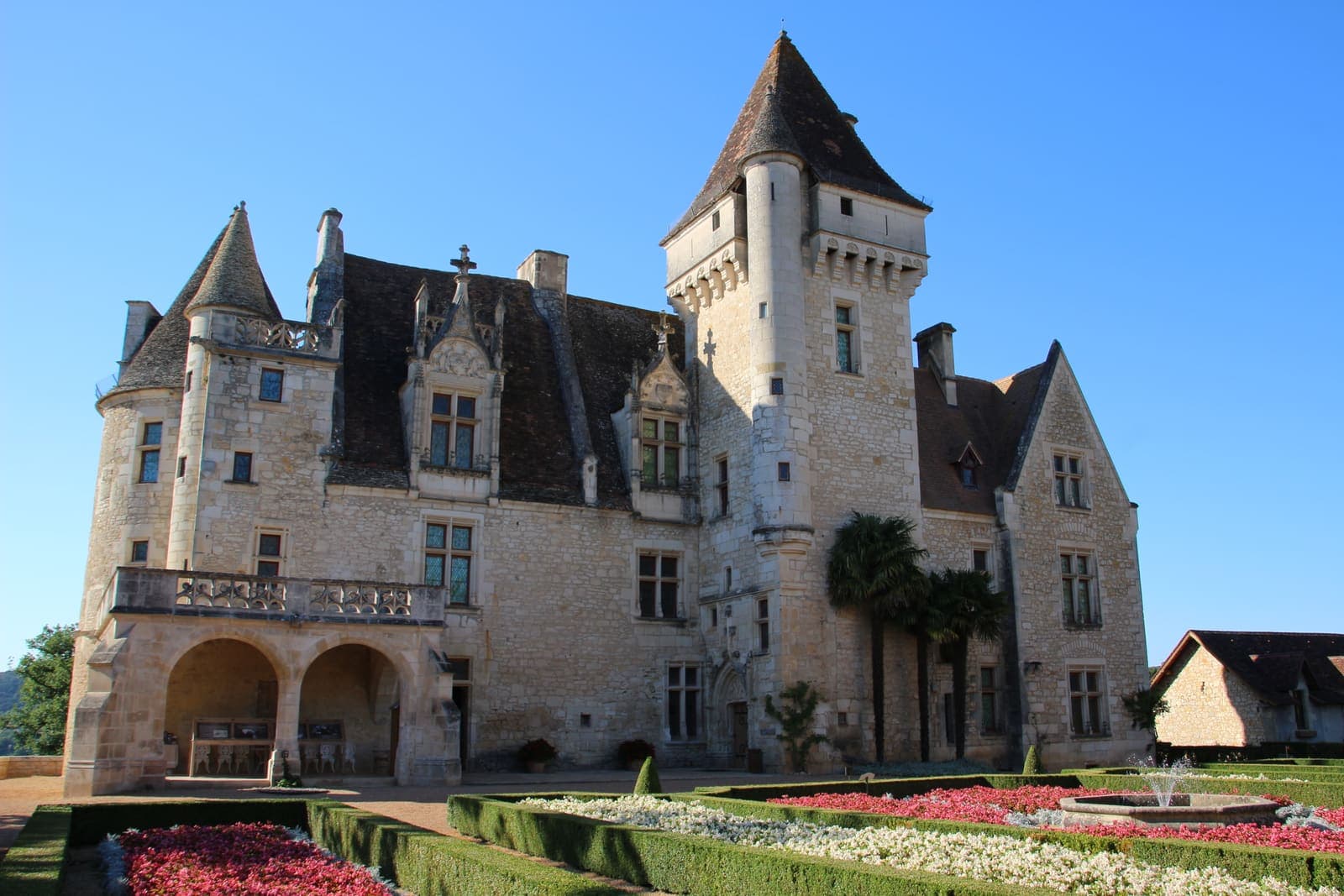
Château des Milandes
The former home of Josephine Baker, with its free-flying birds of prey shows in the Renaissance gardens.
View on Google Maps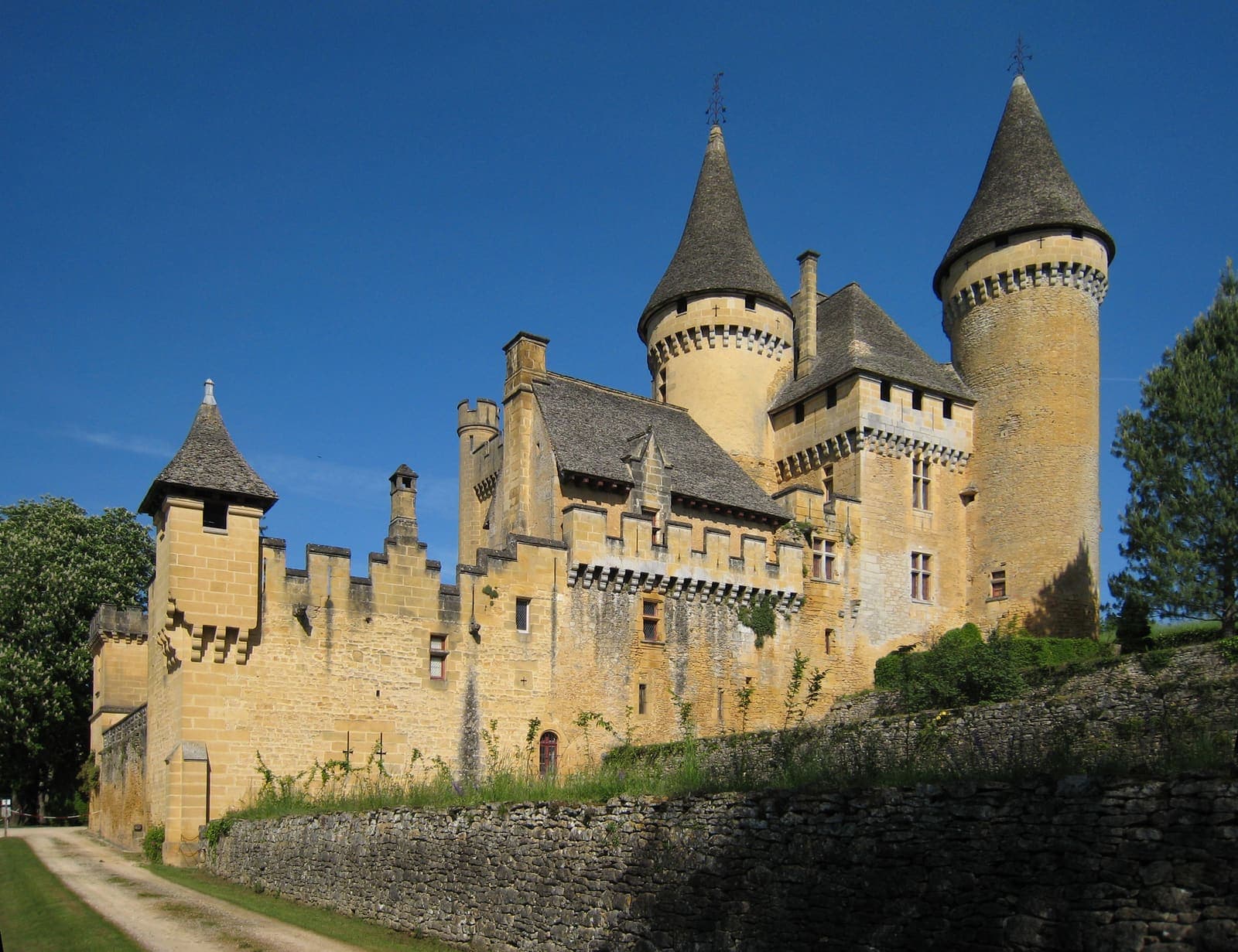
Château de Puymartin
A furnished, still-inhabited 15th- and 17th-century residence just outside Sarlat, home to the legend of the White Lady.
View on Google Maps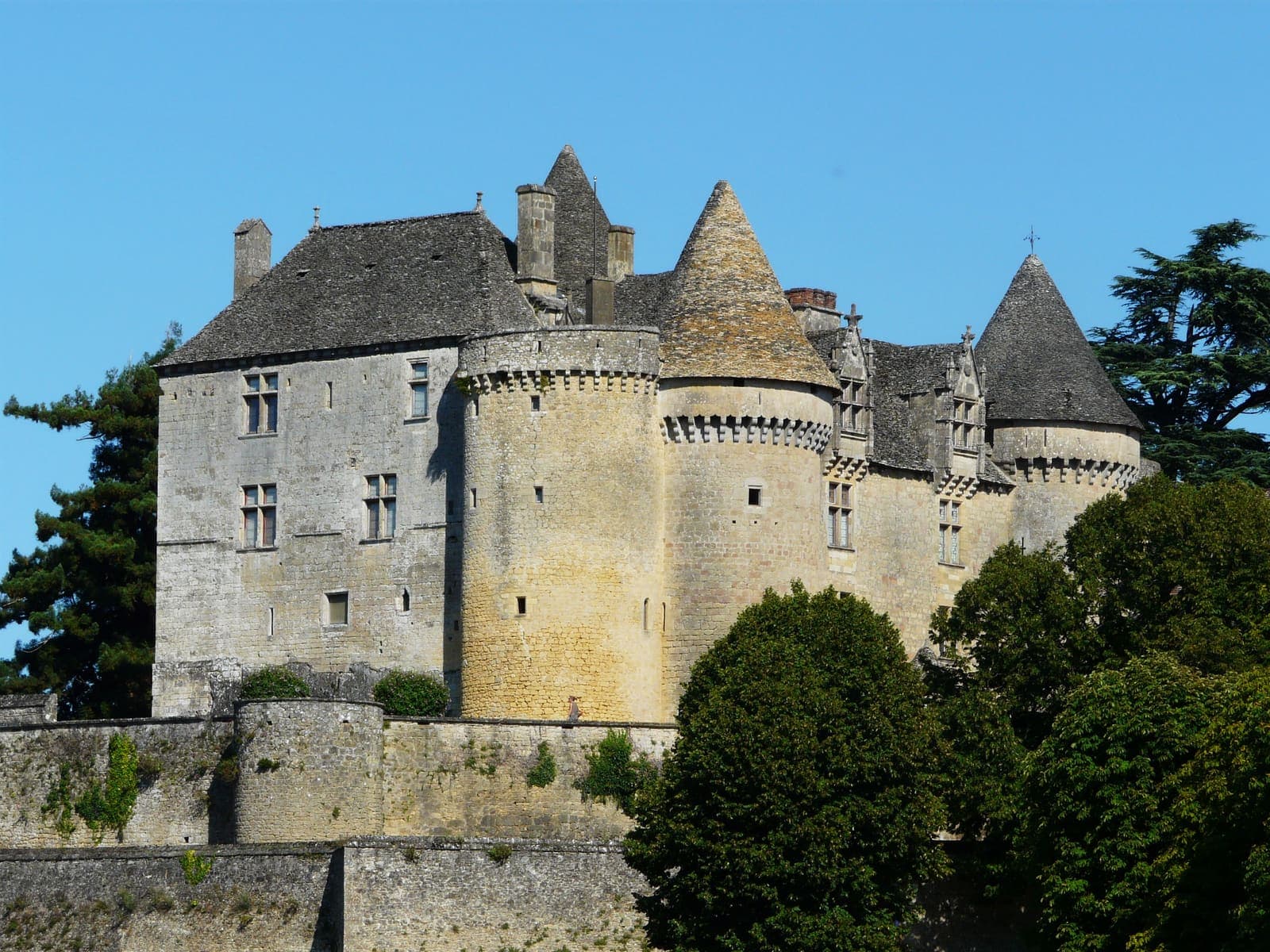
Château de Fénelon
A vast fortress with the look of a Loire château, birthplace of the writer Fénelon, overlooking the Dordogne valley.
View on Google Maps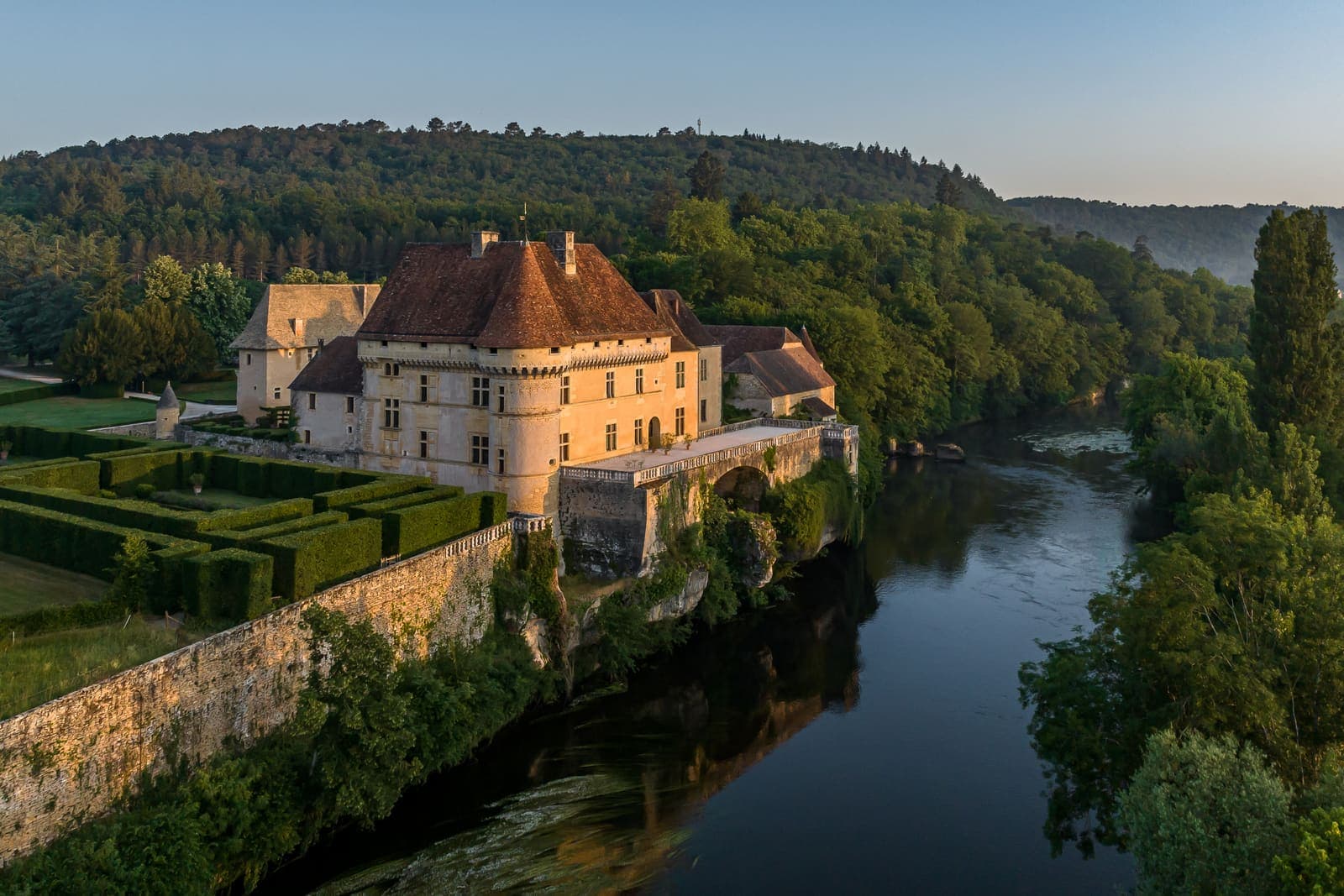
Château de Losse
A Renaissance manor set on a rocky spur above the Vézère river, surrounded by gardens listed as remarkable.
View on Google Maps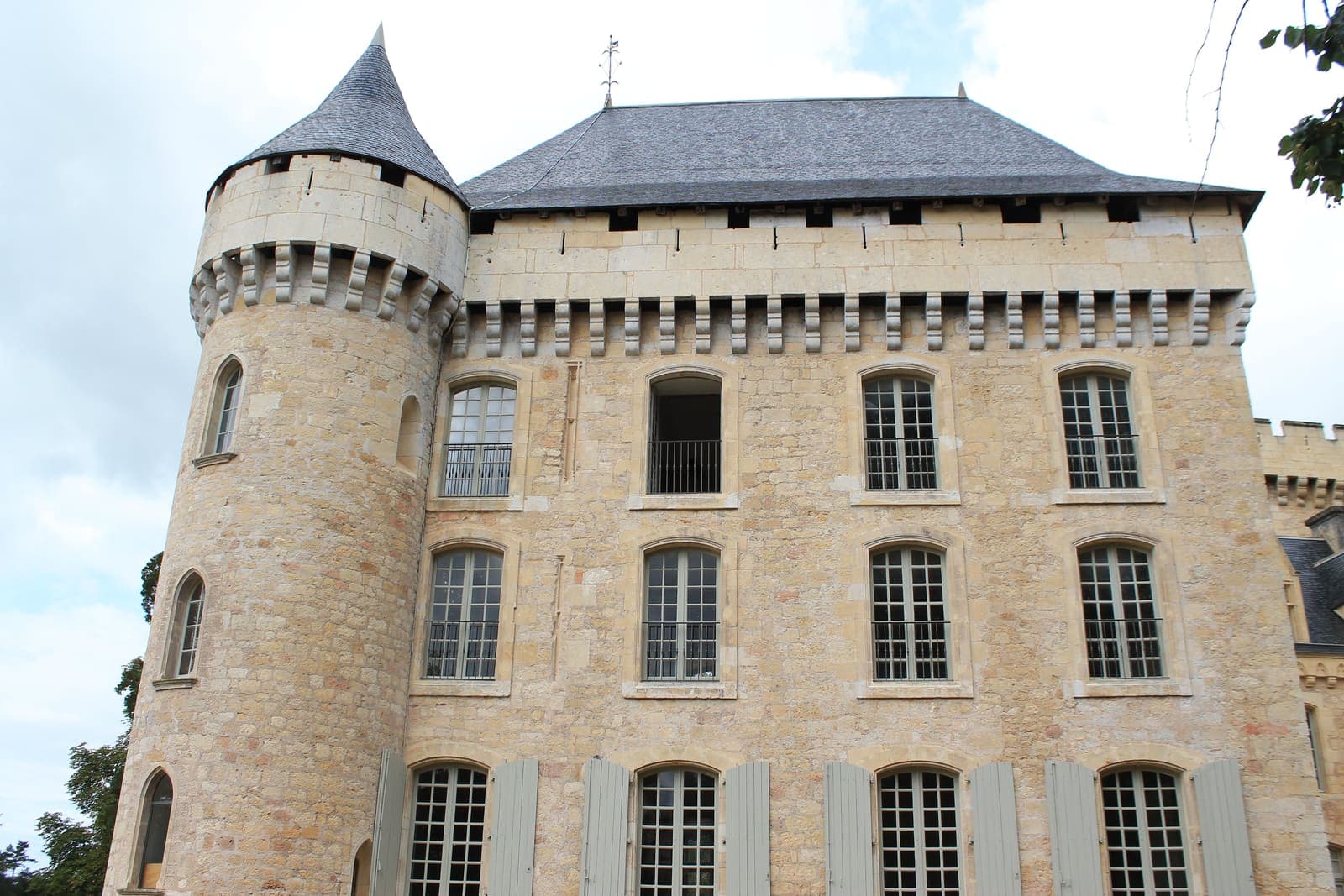
Château de Campagne
A medieval and Renaissance castle surrounded by a vast listed wooded park, on the edge of Les Eyzies.
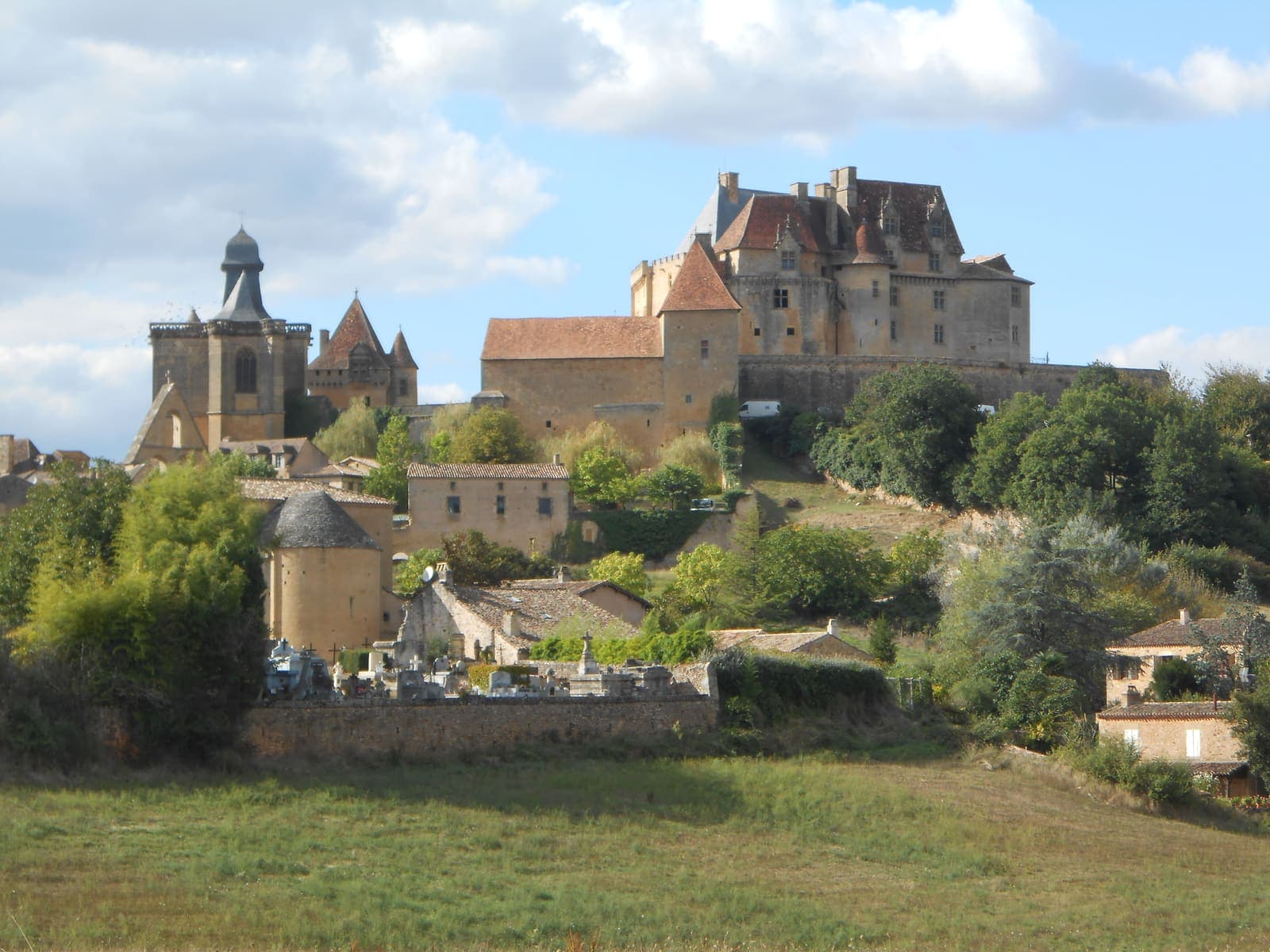
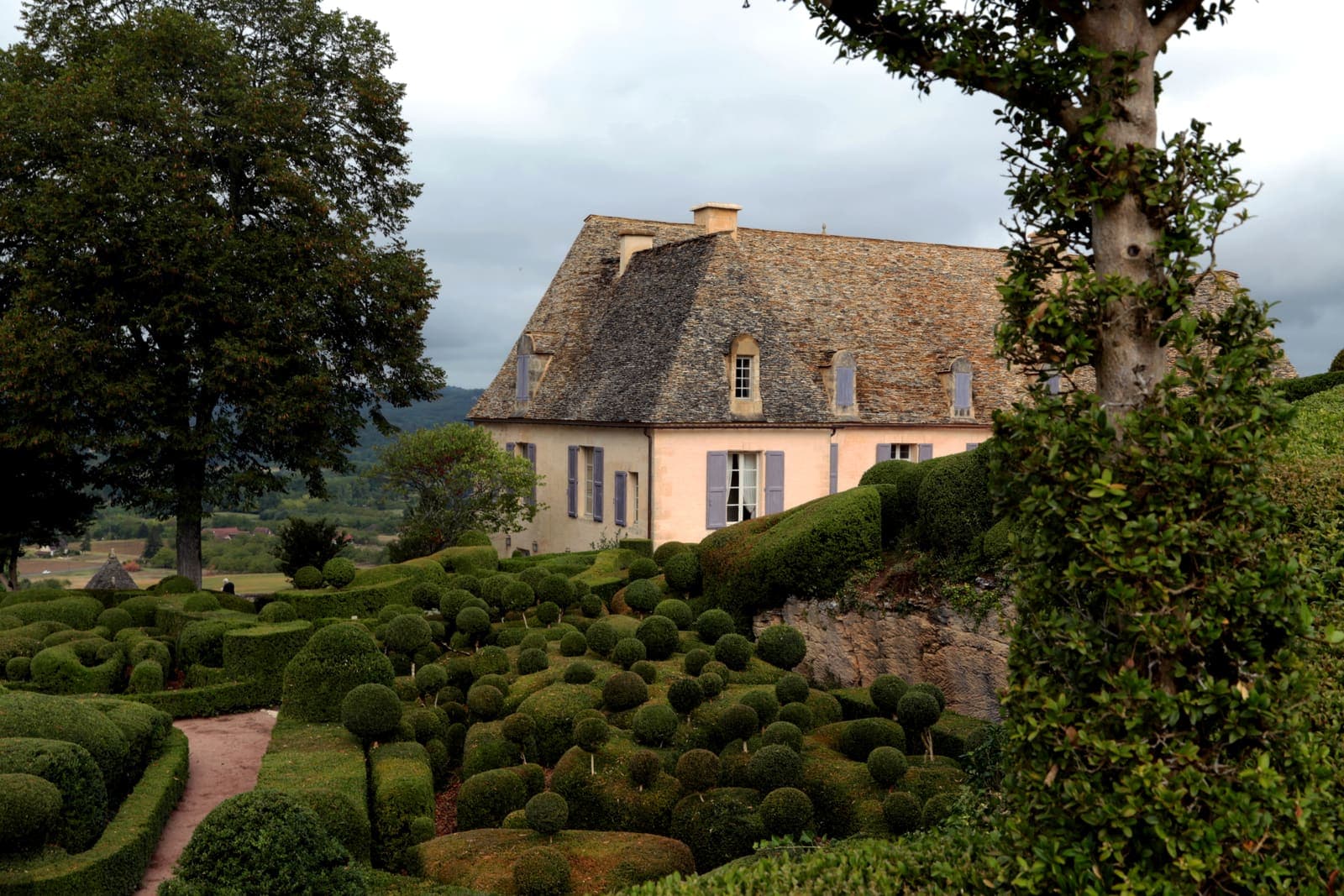
View on Google MapsWorth going a little further for
Sites that involve a longer drive, best kept for stays of several days.
How to choose
If you visit only one
Pick a fortress in the Dordogne valley: the commanding position, the river view and the military architecture sum up the region's history on their own.
If you visit two
Choose them on opposite banks. Seeing the second from the ramparts of the first makes the medieval frontier instantly clear.
With children
Favour castles with live demonstrations, arms collections or outdoor space. A furnished-residence tour rarely holds young children for an hour.
In hot weather
The climbs up to the fortresses are steep and offer little shade. Aim for early morning or late afternoon, and keep the middle of the day for a garden or the river.
Frequently asked questions
How many castles in a day?
Two at most. Each visit involves a climb, an interior route and often grounds as well: three in a day quickly becomes too much.
Are the castles open year-round?
It varies by site. Many reduce their hours off-season and some close entirely in winter. Always check with the castle's own official website.
Can you visit the castles without a car?
It is difficult: they are scattered through the countryside with little public transport. From Sarlat, a car remains the most practical option.
Read next
- The most beautiful villages around SarlatBeynac, Domme, La Roque-Gageac, Castelnaud, Monpazier: the listed villages to visit around Sarlat, how they differ and how to link them up.
- What to do around SarlatDordogne castles, perched villages, gardens, prehistoric caves and canoeing: everything to do around Sarlat, all within an hour's drive.
- Three days in the Perigord Noir from SarlatA three-day Perigord Noir itinerary from Sarlat: the old town, the Dordogne valley and its castles, then prehistory in the Vezere valley.
- Visiting the Perigord NoirThe Dordogne valley, the Vezere valley, listed villages, castles and painted caves: how to explore the Perigord Noir and where to set up your base.
Content updated on